
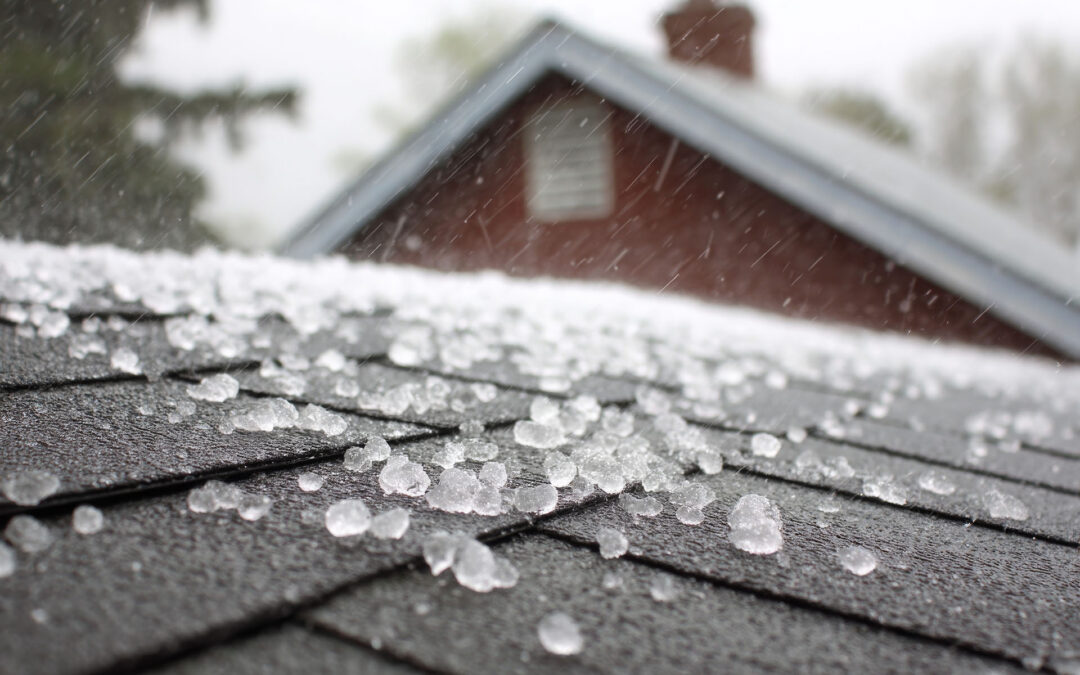
Hail storms can move through Berks County quickly, but the damage they leave behind may last much longer. From bruised shingles and dented gutters to cracked siding and hidden roof leaks, hail can affect several parts of a home at once. Unfortunately, many homeowners do not notice the full extent of the damage until weeks or months later.
For homeowners in Reading and throughout southeastern Pennsylvania, taking the right steps after a hail storm can help reduce further property issues and simplify the insurance process. At The Helping Company, LLC, we serve homeowners across the region to assess exterior storm damage and provide practical roofing and siding solutions. If your property experiences dangerous hail, contact our team today for a professional inspection.
Why Hail Storms Can Be So Damaging in Berks County
Pennsylvania weather patterns frequently bring strong spring and summer thunderstorms capable of producing hail. Even smaller hailstones can damage roofing materials when combined with high winds.
Hail damage often affects:
- Asphalt shingles
- Metal flashing
- Vinyl siding
- Gutters and downspouts
- Skylights and vents
- Window trim and soffits
The National Weather Service notes that hailstones can travel at high speeds and create significant property damage during severe thunderstorms. One challenge with hail damage is that some problems are not immediately visible from the ground. Water intrusion may begin slowly beneath damaged shingles or flashing components.
Step-by-Step Checklist After a Hail Storm
After a hail storm passes, homeowners should focus on safety first before inspecting the property.
1. Wait Until Conditions Are Safe
Do not go outside during active lightning, high winds, or severe rainfall. Once conditions calm, begin a careful visual inspection from the ground. Avoid climbing onto the roof immediately after a storm, especially if surfaces remain wet or unstable.
2. Check for Immediate Safety Hazards
Walk around the property and look for:
- Downed power lines
- Broken tree limbs
- Loose siding or gutters
- Fallen branches on the roof
- Shattered windows or skylights
If you notice electrical hazards, contact utility providers or emergency services for their assistance before approaching damaged areas.
3. Document Visible Damage
Take clear photographs of any storm-related damage as soon as possible. Helpful photos may include:
- Dented gutters or downspouts
- Cracked siding panels
- Shingle damage visible from the ground
- Damaged landscaping
- Broken outdoor fixtures
- Hailstones collected after the storm
Documenting conditions early may assist later during insurance discussions.
4. Check Interior Spaces for Leaks
Some hail damage allows moisture to enter the home without obvious exterior warning signs.
Inspect:
- Attics
- Ceilings
- Upper-floor walls
- Window frames
- Around vents and chimneys
Watch for water stains, damp insulation, musty odors, or peeling paint.
5. Schedule a Professional Exterior Inspection
Professional inspections often identify damage homeowners cannot safely see from the ground. Roofing contractors may inspect:
- Shingle bruising
- Granule loss
- Flashing separation
- Soft spots on roofing materials
- Hidden punctures
- Gutter alignment issues
You can learn more about our exterior services on our services page.
How to Identify Hail Damage on Asphalt Shingles
Asphalt shingles are among the most common roofing materials affected by hail in southeastern Pennsylvania.
Signs of Hail Damage on Shingles
Common warning signs include:
- Dark spots where granules have been knocked away
- Soft bruises that feel spongy when touched
- Cracks or splits across shingle surfaces
- Exposed fiberglass matting beneath the asphalt layer
- Loose or lifted shingles caused by storm winds
Damage may appear random because hail impacts do not strike evenly across the roof.
Why Granule Loss Matters
Shingle granules help protect roofing materials from UV exposure and weathering. Once hail removes those granules, shingles may deteriorate more quickly over time. Even minor-looking granule loss can shorten the lifespan of roofing materials if moisture exposure continues.
How to Spot Hail Damage on Siding
Vinyl and aluminum siding may also suffer noticeable storm impacts.
Common Siding Damage Symptoms
Look for:
- Dents or dimples
- Cracks in vinyl panels
- Loose siding sections
- Paint chipping
- Warped trim pieces
Hail damage sometimes appears on only one side of the home depending on storm direction and wind conditions. If siding panels become cracked or loose, water infiltration may develop behind exterior walls.
Gutters often show some of the clearest signs of hail impact. Inspect for:
- Dents along gutter edges
- Loose brackets or fasteners
- Separated gutter seams
- Downspout misalignment
- Granule buildup inside gutters
Functional gutters help direct water away from the roof and foundation. Damaged drainage systems may increase the risk of future moisture problems.
When to File a Homeowners Insurance Claim
Not every storm requires an insurance claim, but significant exterior damage may justify contacting your insurance provider.
Consider filing a claim if:
- Roofing materials are visibly damaged
- Water intrusion occurs indoors
- Siding panels crack or detach
- Gutters no longer function properly
- Structural components sustain storm impacts
Document thoroughly before contacting the insurer.
How to Start the Insurance Claim Process
Filing a claim may feel overwhelming after a storm, but a step-by-step approach can help.
1. Contact Your Insurance Company
Notify your insurance provider as soon as possible after properly identifying storm damage.
Be prepared to provide:
- The date of the storm
- Photos of visible damage
- A description of affected areas
- Temporary repair information if applicable
2. Schedule an Adjuster Inspection
Insurance carriers often send adjusters to evaluate property damage directly. A roofing contractor may also provide documentation or inspection findings that help clarify storm-related issues.
3. Keep Records Organized
Save copies of:
- Inspection reports
- Repair estimates
- Insurance correspondence
- Photos and videos
- Receipts for temporary repairs
Good documentation may help prevent misunderstandings during the claims process.
4. Avoid Delaying Repairs Too Long
Waiting too long to address roof or siding damage may allow conditions to worsen over time.
Moisture intrusion can contribute to:
- Mold growth
- Wood rot
- Insulation damage
- Interior drywall problems
Prompt inspections help homeowners better understand the condition of their property after a storm.
Why Professional Roof Inspections Matter After Hail Storms
Some hail damage cannot be identified safely from the ground. Roofing professionals have the equipment and experience needed to inspect vulnerable areas closely.
Professional inspections may reveal:
- Hidden flashing damage
- Compromised underlayment
- Early moisture intrusion
- Roof ventilation concerns
- Structural weaknesses caused by impacts
At The Helping Company, LLC, we provide detailed inspections for homeowners in Reading and other communities in southeastern Pennsylvania after severe weather events.
Protecting Your Home After Severe Weather
Hail storms can create both visible and hidden damage across roofing systems, siding, gutters, and exterior components. Acting quickly after a storm can help reduce future complications and simplify insurance conversations.
If your home in Berks County or elsewhere in the region recently experienced hail damage, The Helping Company, LLC, can help you evaluate your roof and exterior safely. Contact us today and request an inspection designed for the right information, a safer property, and greater confidence and peace of mind.