
Fire & Smoke Damage Restoration in Reading & Berks County, PA
The Helping Company provides fire and smoke damage restoration across Reading and Berks County, PA. We handle cleanup, odor removal, and full rebuilds, working directly with your insurance. Our certified crews restore homes and businesses after fire, smoke, and soot damage, available 24/7.
A house fire changes everything in an instant — and the damage continues after the flames are out. We handle every phase, from emergency board-up through full reconstruction, and manage your insurance claim.
Even after the flames are out, the damage continues. Smoke and soot spread through your HVAC system and penetrate walls, ceilings, fabrics, and belongings, while water from fire suppression saturates the structure. The longer these effects go unaddressed, the more permanent the damage becomes.
As an IICRC Certified Firm with 20+ years of insurance restoration experience, we understand the complexity of fire losses and the urgency required to minimize additional damage. We handle every phase — emergency board-up and tarping through structural cleaning, odor removal, and complete reconstruction — and we manage your insurance claim from the first phone call to the final payment.
Our Fire Damage Restoration Process
Emergency Board-Up & Tarping
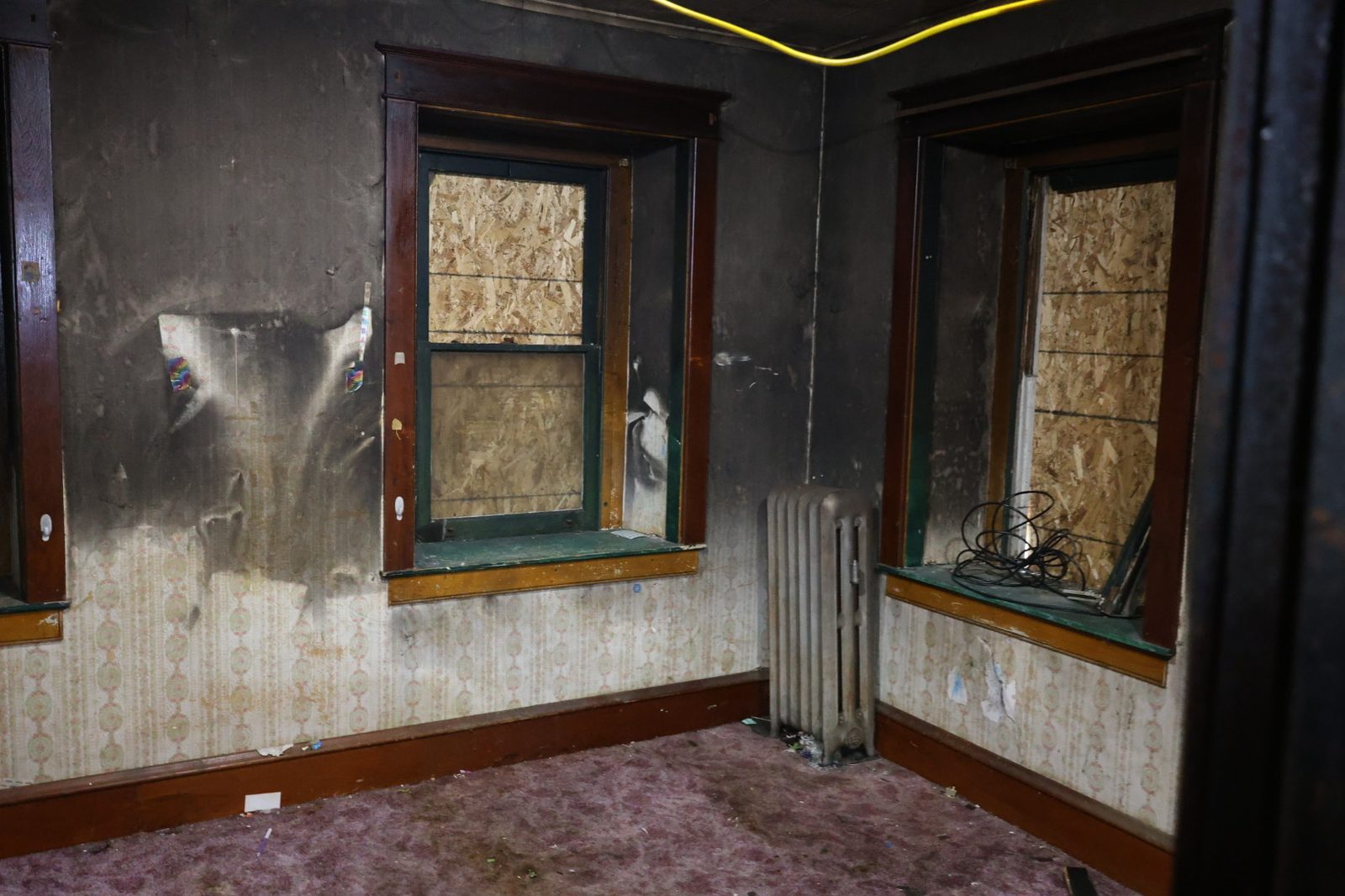
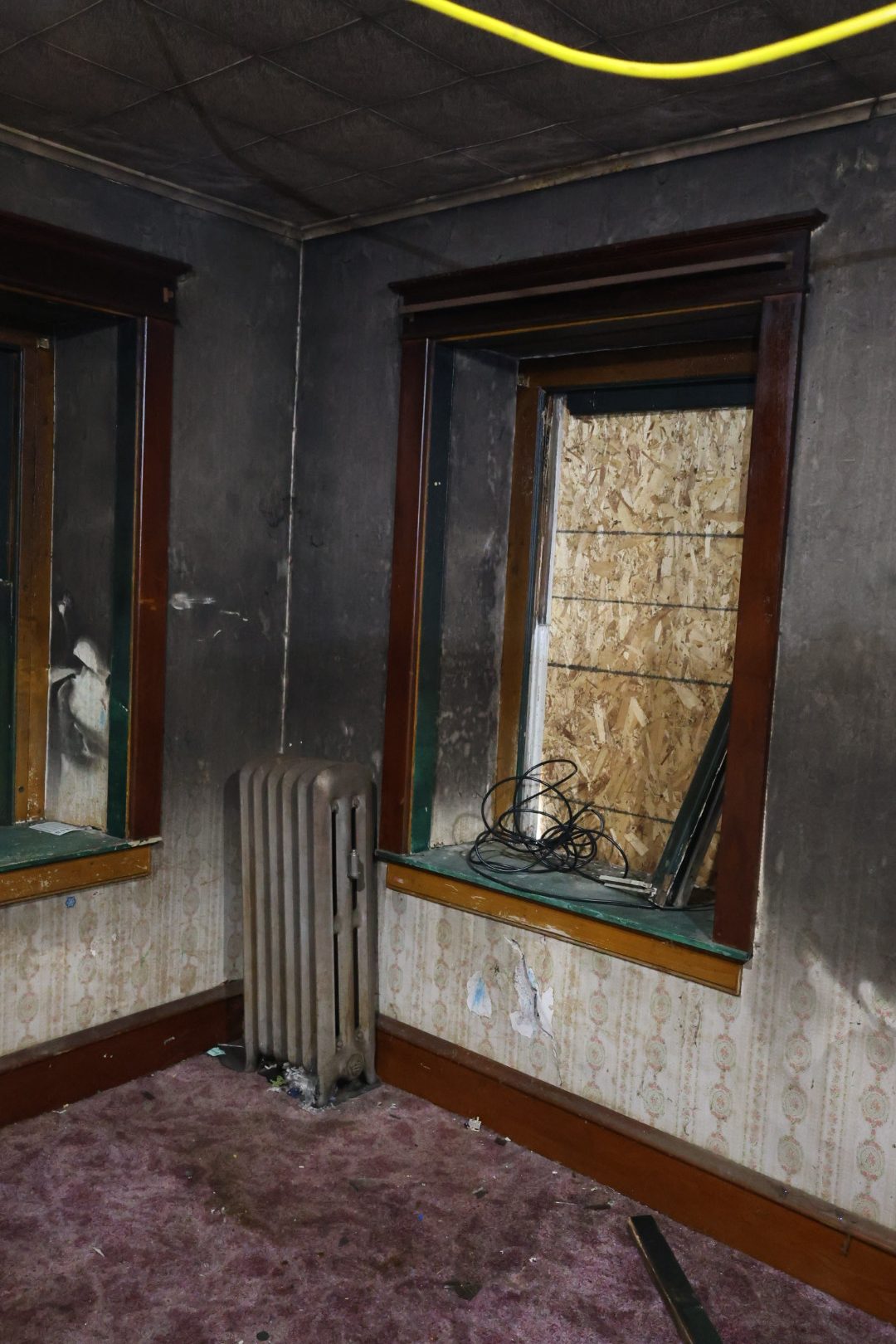
Once the fire department clears the property, we secure it — boarding up windows, doors, and any openings in the roof or walls to protect against weather, vandalism, and unauthorized entry. Emergency tarping prevents rain from adding water damage to an already compromised structure.
Damage Assessment & Insurance Documentation
We thoroughly assess fire, smoke, soot, and water damage, including structural evaluation, air quality, and a content inventory. Everything is documented with detailed photos, moisture readings, and written reports, and we prepare Xactimate estimates that align with insurance industry standards.
Smoke & Soot Removal
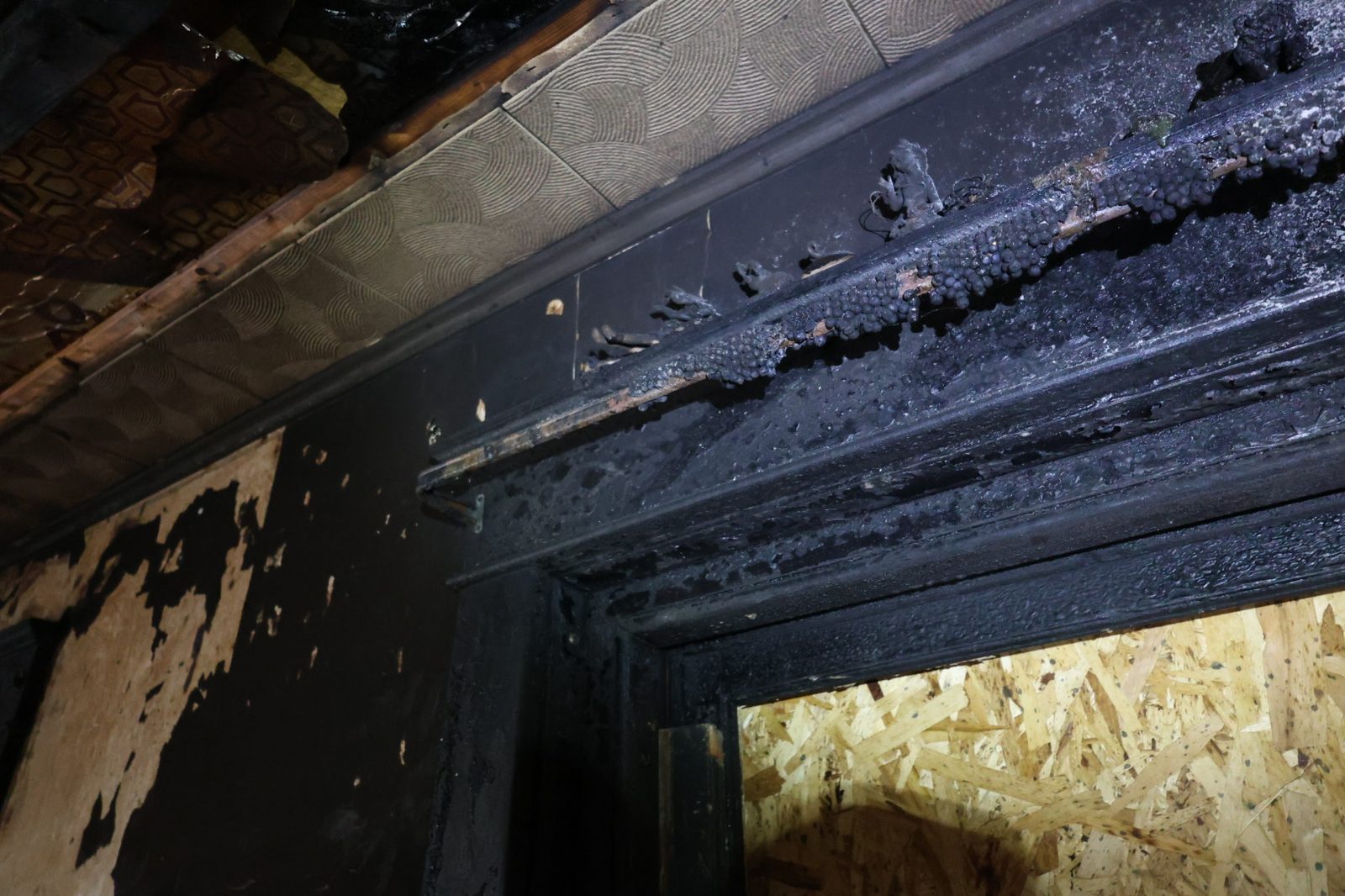
Smoke and soot are corrosive — left in place they cause permanent staining, etching, and odor. Our technicians use cleaning methods matched to the residue type (protein, synthetic, or natural) and surface, cleaning walls, ceilings, structural components, and HVAC systems.
Odor Neutralization
Smoke odor penetrates deep into porous materials and lingers without proper treatment. We use thermal fogging, hydroxyl generators, and ozone treatments to neutralize odor at the molecular level — not just mask it.
Water Damage Mitigation
Most fire losses also involve water from hoses and sprinklers. We extract standing water, set structural drying equipment, and monitor moisture to prevent mold — the same process we use for standalone water damage restoration.
Structural Repairs & Reconstruction
As a licensed general contractor, we handle the complete rebuild — framing, roofing, siding, drywall, electrical and plumbing coordination, flooring, painting, and trim — restoring your home to its pre-loss condition. One company from start to finish, not a chain of subcontractors.
Emergency? We're Available 24/7.
Water, fire, or storm damage gets worse by the minute. Call now for fast emergency response across Berks County.
Fire & Smoke Damage FAQs
What should I do immediately after a house fire?
Does homeowner's insurance cover fire damage?
Can smoke damage be fully restored?
How long does fire damage restoration take?
Why smoke damage is a chemistry problem, not a cleaning problem
The fire is rarely what makes a house unlivable. Smoke is. And smoke is not one substance — the residue in your home depends on what burned, and each type has to be removed differently.
Dry smoke comes from fast, high-temperature fires burning paper and wood. It is powdery and lifts relatively easily, but it drives deep into porous materials and cracks.
Wet smoke comes from slow, smoldering, low-heat fires burning plastics and rubber. It is sticky, dense and strongly odorous, it smears badly under pressure, and it is the residue most often ruined by well-meaning scrubbing.
Protein residue from a kitchen fire is nearly invisible — a thin amber film — and carries an intense odor that gets worse as it oxidizes. Homeowners frequently think the room is fine because it looks fine.
Soot is acidic, and it keeps working. This is the part that costs people money. Soot etches metal, discolors grout and marble, corrodes electrical contacts and permanently yellows plastics and vinyl. Damage that would have cleaned up in the first week becomes permanent by the third. It is also why wiping walls with a household cleaner before a professional assessment is the single most expensive mistake we see — it sets the staining into the paint and turns a cleanable wall into a repaint.
Odor removal that actually lasts
Odor is the reason fire claims get reopened. Smoke molecules embed in porous materials — drywall, framing, insulation, carpet backing, HVAC ductwork — and any approach that only masks them fails as soon as the humidity rises.
We work through it in order: remove the source material that cannot be salvaged, HEPA-vacuum and clean every surface appropriate to the residue type, treat the air and porous surfaces, clean the HVAC system so the ducts are not re-seeding odor through the house, then seal structural surfaces where residue has penetrated the substrate. Sealing before cleaning simply locks the smell in, which is why the sequence matters more than the equipment.
Contents: pack-out, inventory, and the part carriers dispute
Your building and your belongings are settled under two different parts of your policy, and the contents side is where claims most often go wrong.
We inventory contents item by item, photograph them, and record whether each is cleanable, restorable or a total loss. Restorable items are packed out to be cleaned off site while reconstruction happens. That inventory is what your contents settlement is built from — and an unclear or incomplete one is the reason homeowners routinely settle for less than their belongings were worth.
Two things worth knowing before you agree a figure. First, contents are usually settled at actual cash value first, with the recoverable depreciation released only after you replace the items and submit receipts — money many people never claim because nobody explained the second step. Second, additional living expenses cover reasonable costs while your home is uninhabitable. Keep every receipt from the first night onward.
What carriers try to deny on fire claims
"That damage is unrelated." Smoke migrates through an entire house, including into rooms that never saw flame. Proving the residue in a back bedroom came from this fire requires documentation at the outset, before anything is cleaned.
Partial-loss cleaning instead of replacement. Carriers may scope cleaning where the material genuinely cannot be restored. Whether you get replacement usually comes down to whether the file establishes residue type and substrate penetration.
Undervalued contents. See above — this follows directly from a weak inventory.
Depreciation held back. Recoverable depreciation is yours once the work is done and documented. It is not a discount the carrier keeps.
We write fire scopes in Xactimate, the same platform your adjuster uses, and give you the full itemized estimate — line items, quantities, depreciation and what is recoverable. Our insurance claims page covers the process end to end.
The first 24 hours: board-up, tarping and securing the property
Once the fire service releases the property it is your responsibility to secure it, and your policy expects you to prevent further damage. An open roof or a broken-out window means rain, animals and, occasionally, theft — and a carrier can decline the additional damage that follows.
We board up openings and tarp compromised roofs, and because we are a full roofing contractor as well as an IICRC Certified Firm, the permanent roof repair is handled by the same company under the same claim. There is also usually water damage to address: the volume used to put a fire out is substantial, and it needs the same measured structural drying as any other water loss. Call 610-234-2210 at any hour.
Questions homeowners ask us
Can I start cleaning the smoke damage myself?
Please do not, beyond removing obvious debris. Soot is acidic and most residue types smear or set permanently when wiped with household cleaners — a wall that could have been cleaned becomes a repaint, and the cost lands on you rather than the claim. Let it be documented and assessed for residue type first.
How long does fire damage restoration take?
It depends almost entirely on how much structural repair is needed. Cleaning, deodorization and contents handling on a contained kitchen or room fire commonly runs a few weeks. A loss involving structural framing, rewiring and full reconstruction runs months. We give you a written schedule alongside the Xactimate scope rather than an open-ended answer.
Will the smoke smell ever fully go away?
Yes, when the sequence is done properly — unsalvageable porous material removed, every surface cleaned to its residue type, HVAC cleaned so ducts are not re-seeding odor, then sealing where residue penetrated the substrate. Odor that returns weeks later almost always means something was sealed before it was cleaned, or the ductwork was skipped.
Does insurance cover a fire in a home I caused accidentally?
Accidental fires — cooking, electrical, heating equipment — are exactly what the policy is for, and fault on your part does not normally void coverage. Arson and fraud do. Be straightforward with your carrier and document everything from the outset.
From Our Recent Work
Had a Fire? Call Us Right Now.
We provide 24/7 emergency board-up, fire and smoke damage restoration, and full insurance claim management across Reading & Berks County.