
Mold After Water Damage: What Every Homeowner Needs to Know
Quick answer
Mold can start growing on wet drywall, wood, and carpet within 24 to 48 hours of water damage. The single best way to prevent it is fast, thorough professional drying — the sooner the area is completely dry, the lower your risk of a mold problem.
Whether it is a burst pipe in Reading, a flooded basement in Wyomissing, or a storm-driven roof leak in Exeter Township, the story is the same: water damage and mold go hand in hand. Many homeowners handle the visible water, feel relieved it is gone, and never realize that mold is already taking hold inside the walls and under the floor. This guide explains how fast mold grows, where it hides, the warning signs, and when to bring in a professional.
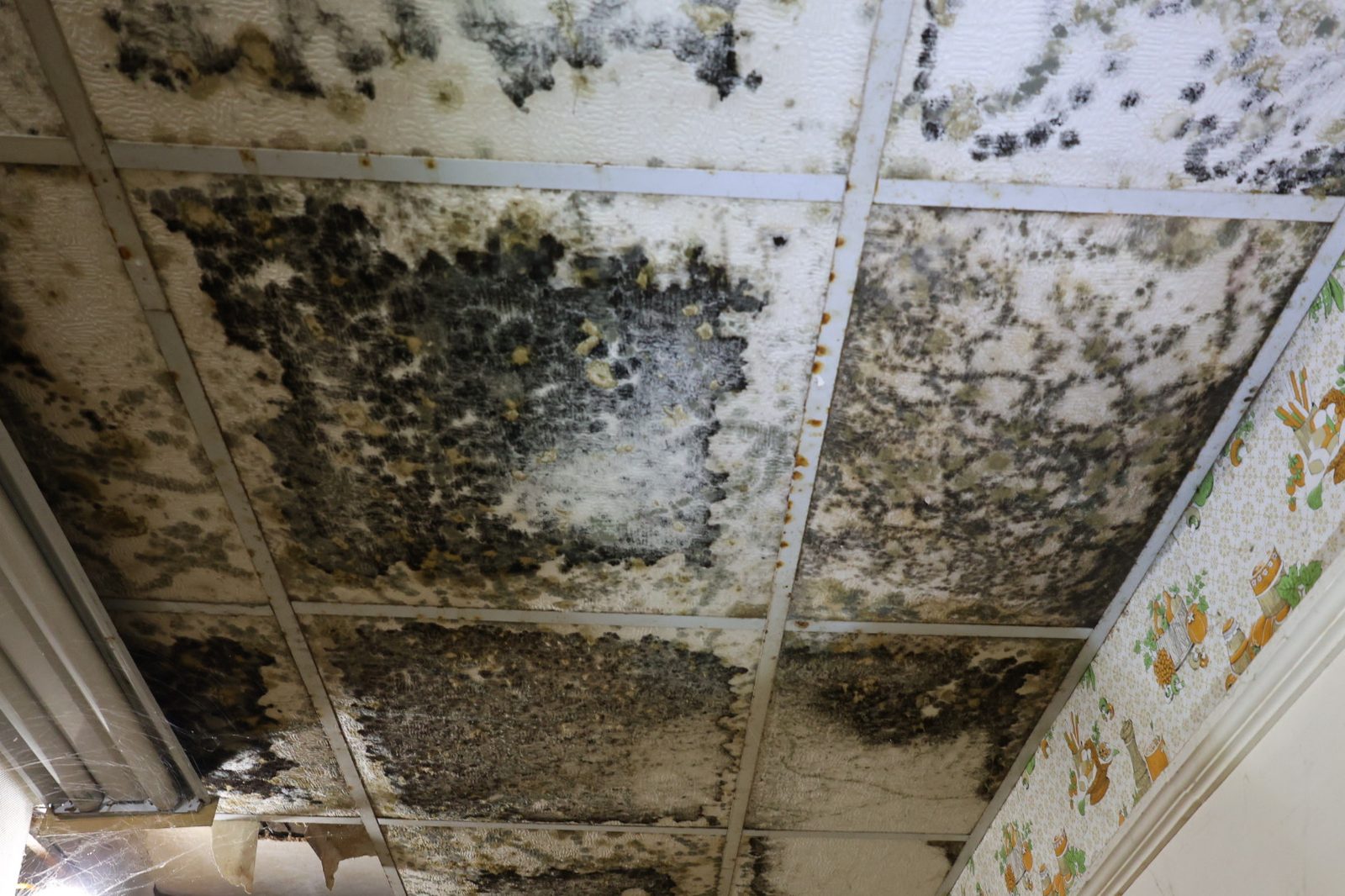
How Fast Does Mold Grow After Water Damage?
Mold spores are always in the air. They only need moisture, a food source, and time to become a problem — and after water damage, your home suddenly offers all three. On wet drywall, wood, insulation, and carpet, mold can begin colonizing in as little as 24 to 48 hours. Within a week, a small hidden patch can spread across a wall cavity. This is exactly why professional water restoration focuses on drying the structure completely and quickly, not just removing the standing water you can see.
Where Mold Hides After a Leak or Flood
The mold that causes the biggest problems is usually the mold you cannot see. After water damage, check (or have a pro check) these common hiding spots:
- Inside wall cavities and behind baseboards, where water wicks upward into the drywall.
- Under flooring — beneath carpet padding, laminate, and hardwood.
- Above ceilings and in the attic after a roof leak.
- In HVAC ducts and around vents, which can spread spores through the whole house.
- Behind cabinets, vanities, and appliances in kitchens and bathrooms.
- In insulation, which holds moisture long after surfaces feel dry.
Warning Signs You Have Mold
Even when mold stays out of sight, it usually leaves clues. Call for an inspection if you notice:
- A persistent musty, earthy smell that does not go away.
- Staining or discoloration on walls, ceilings, or trim.
- Warped, bubbling, or peeling paint, drywall, or flooring.
- Increased allergy or respiratory symptoms — coughing, congestion, or irritated eyes — that ease when you leave the house.
Quick takeaway
A musty smell plus any recent water event is enough reason to have your home checked. Hidden mold is far cheaper to handle early than after it spreads through the framing and HVAC.
Why You Cannot Just Dry It and Forget It
Renting a shop vac and a box fan might clear the puddle, but it rarely dries what is inside the walls and under the floor — and it does nothing about spores that have already started to grow. Painting over a stain or spraying bleach on the surface hides the problem without solving it. Professional restoration uses moisture meters and thermal imaging to find water you cannot see, commercial air movers and dehumidifiers to dry the structure to the core, and containment to keep spores from spreading during the work.
How The Helping Co. Handles Mold After Water Damage
We treat water damage and mold as one connected problem. Our IICRC-certified team will:
- Inspect with moisture meters and thermal imaging to map the full extent of the water.
- Set up containment so mold spores do not spread to clean areas.
- Remove and dispose of mold-damaged drywall, insulation, and flooring.
- Dry the structure completely with professional air movers and dehumidifiers.
- Treat surfaces and fix the moisture source so the mold does not come back.
- Rebuild and restore the space — and, where it applies, help you handle the insurance claim.
Learn more about our water damage restoration and mold remediation services, or see our full restoration overview.
Mold After Water Damage FAQs
How long after water damage does mold grow?
Mold can begin growing within 24 to 48 hours of water damage on wet drywall, wood, insulation, and carpet. That is why fast, professional drying is the single best way to prevent it.
Can I remove mold myself after water damage?
Small surface mold on a hard, non-porous surface can sometimes be cleaned yourself. But mold on drywall, insulation, or wood, or any area larger than about 10 square feet, needs professional remediation with containment to avoid spreading spores.
Does homeowners insurance cover mold from water damage?
It depends. Insurance often covers mold when it results from a sudden, covered water event, but not from long-term leaks or neglect. We document the damage and help you handle the claim.
What are the signs of hidden mold?
A musty smell, staining on walls or ceilings, warped materials, and unexplained allergy symptoms are common signs of hidden mold. You may notice these even when no mold is visible.
How do you get rid of mold after water damage?
We contain the area, remove mold-damaged materials, treat surfaces, dry everything with professional equipment, and fix the moisture source so it does not return. Then we restore the space.
Worried About Mold After a Leak or Flood?
Do not wait for it to spread. We will inspect for hidden moisture and mold, and handle the drying, remediation, and restoration start to finish.