
What Happens After a House Fire: A Step-by-Step Restoration Guide
Quick answer
Once the fire department releases your home, four things happen in order: you call your insurance company and open the claim, the property gets boarded up and tarped so weather and vandals cannot add to the damage, a restoration contractor documents everything before anyone cleans, and only then does cleanup and reconstruction begin. The two mistakes that cost Berks County homeowners the most are wiping soot themselves and throwing damaged belongings away before they are inventoried.
Dealing with a fire right now? Our fire and smoke damage restoration team answers 24/7 at 610-234-2210, and our insurance claims page explains how the claim side works end to end.
A house fire is over in an hour. What follows takes weeks or months, and most of it is unfamiliar: adjusters, board-up crews, contents inventories, residue types, recoverable depreciation. Homeowners in Reading, Wyomissing, and across Berks County call us in the first day after a fire asking the same question, which is simply “what happens now?” This guide walks through the whole process in the order it actually happens, what you are responsible for at each step, and where people lose money without realizing it.
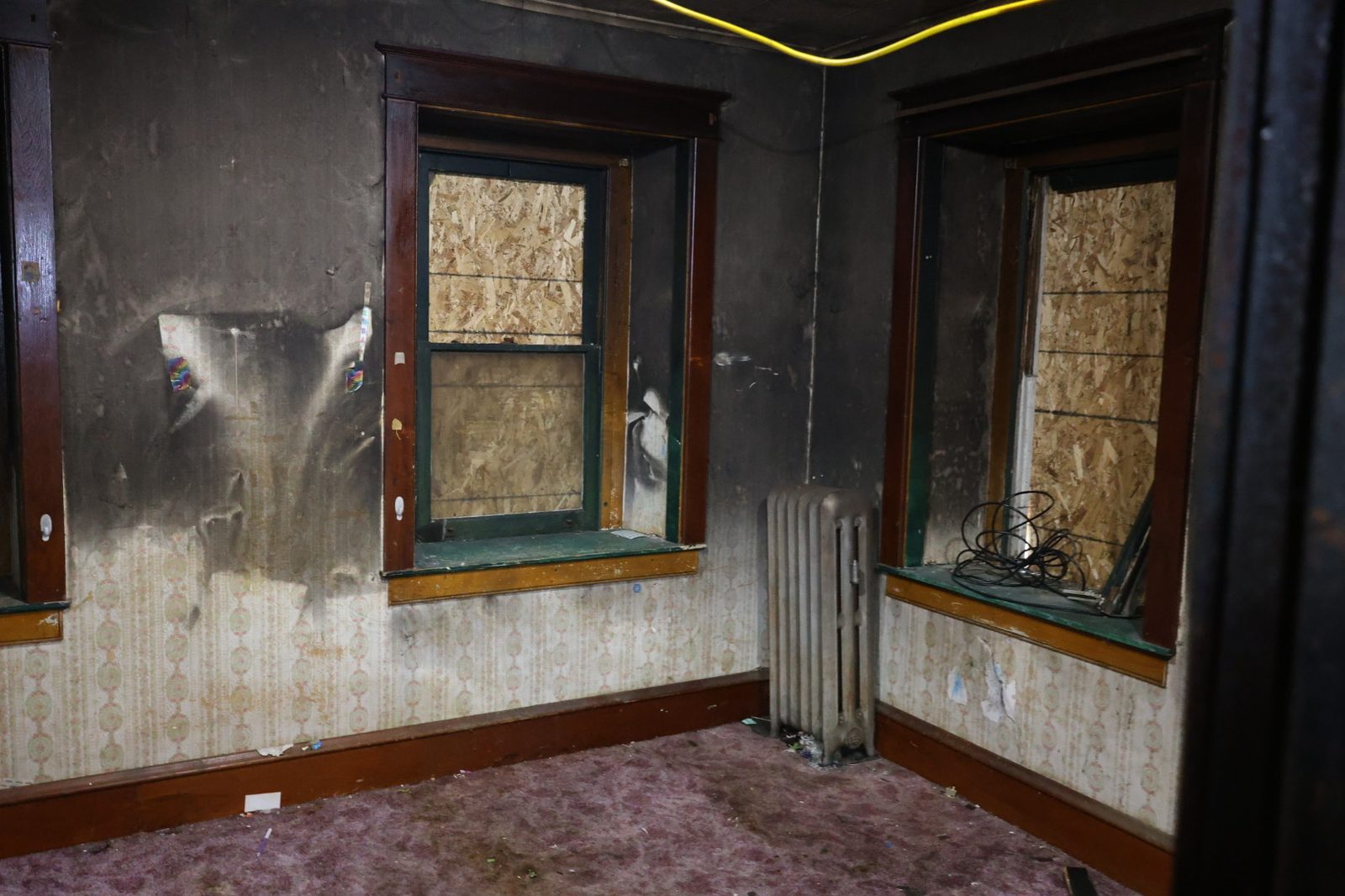
Step 1: The First Hours. Safety, Utilities, and the Fire Report
Do not go back inside until the fire department tells you it is safe, even if the fire looked small. Smoke residue and the gases it keeps releasing are harmful to breathe, floors and ceilings may be weakened, and firefighters often shut off electric and gas at the meter. Your utility company, not you, restores service once an electrician or inspector clears the system.
Before the fire crew leaves, ask for the incident report number and how to get a copy of the fire report. Your insurance adjuster will ask for it, and it establishes the cause and date of loss that the entire claim is built on. If you cannot stay with family, the American Red Cross responds to residential fires and can help with emergency lodging, medication replacement, and other immediate needs.
- Get the fire report number and the name of the responding department or fire company.
- Do not turn utilities back on yourself, and do not run the furnace or air conditioning. The HVAC system will pull soot into every room it serves.
- Take photos and video of everything as you first see it, from the outside and, once cleared, from inside, before anything is moved.
- Gather essentials for a few days: medications (replace, do not use, anything that was in the house), identification, insurance paperwork, chargers, and clothing that was not exposed to smoke.
Step 2: Call Your Insurance Company the Same Day
Open the claim as soon as you are safe, ideally within hours. You will get a claim number and an assigned adjuster, and you should ask two questions on that first call: does your policy include loss-of-use coverage (also called additional living expense, or Coverage D), and what does the carrier need from you to release an advance for immediate expenses? Loss-of-use pays for a hotel or rental and the extra cost of meals and laundry while the home is unlivable, but only if you keep receipts.
Pennsylvania’s Unfair Insurance Practices regulations require your carrier to acknowledge the claim within ten working days and to finish investigating within thirty days unless it explains, in writing, why it needs longer. Write down the date of every call, who you spoke to, and what was said. On fire claims that paper trail matters more than on any other kind of loss.
Quick takeaway
Accidental fires, whether from cooking, electrical faults, or heating equipment, are exactly what a homeowner policy covers. Being partly at fault does not normally void coverage. Arson and misrepresentation do. Be straightforward with your carrier and document everything from the first day.
Step 3: Board-Up and Tarping. The Damage Does Not Stop When the Fire Does
Once the fire service releases the property, securing it is your responsibility, and your policy expects you to take reasonable steps to prevent further damage. Broken windows, a doorway forced by firefighters, or a vented roof let in rain, animals, and occasionally thieves, and a carrier can decline to pay for damage that happens after the fire because the house was left open.
A restoration contractor boards up openings with plywood, tarps compromised sections of roof, and, if needed, installs temporary fencing or shoring. These emergency costs are covered under the claim in nearly every case. Photograph every opening before it is covered and keep the invoices. Because The Helping Company is a full roofing contractor as well as an IICRC Certified Firm, the permanent roof repair after a fire is handled by the same company under the same claim rather than by a second contractor with a second scope.
Step 4: Do Not Clean, and Do Not Throw Anything Away
This is the step that costs homeowners the most, because the instinct is to start scrubbing. Soot is acidic, and the residue in your home depends on what burned. Dry smoke from a fast, hot fire is powdery and lifts fairly easily. Wet smoke from a smoldering fire of plastics and rubber is sticky and smears badly under pressure. Protein residue from a kitchen fire is a nearly invisible amber film with an intense odor that gets worse over time. Each has to be removed with a different method, and wiping any of them with household cleaners usually sets the residue permanently. A wall that could have been cleaned becomes a repaint, and that cost lands on you rather than the claim.
- Do not wipe walls, ceilings, or furniture. Do not shampoo carpet or upholstery.
- Do not discard anything, however ruined it looks, until it has been photographed and inventoried.
- Do not use appliances, electronics, or lamps that were exposed to heat, smoke, or water until they are checked.
- Do not eat food, including canned and packaged food, or take medicine that was in the house during the fire.
- Do not send smoke-damaged clothing to a regular dry cleaner. Improper cleaning can set the odor.
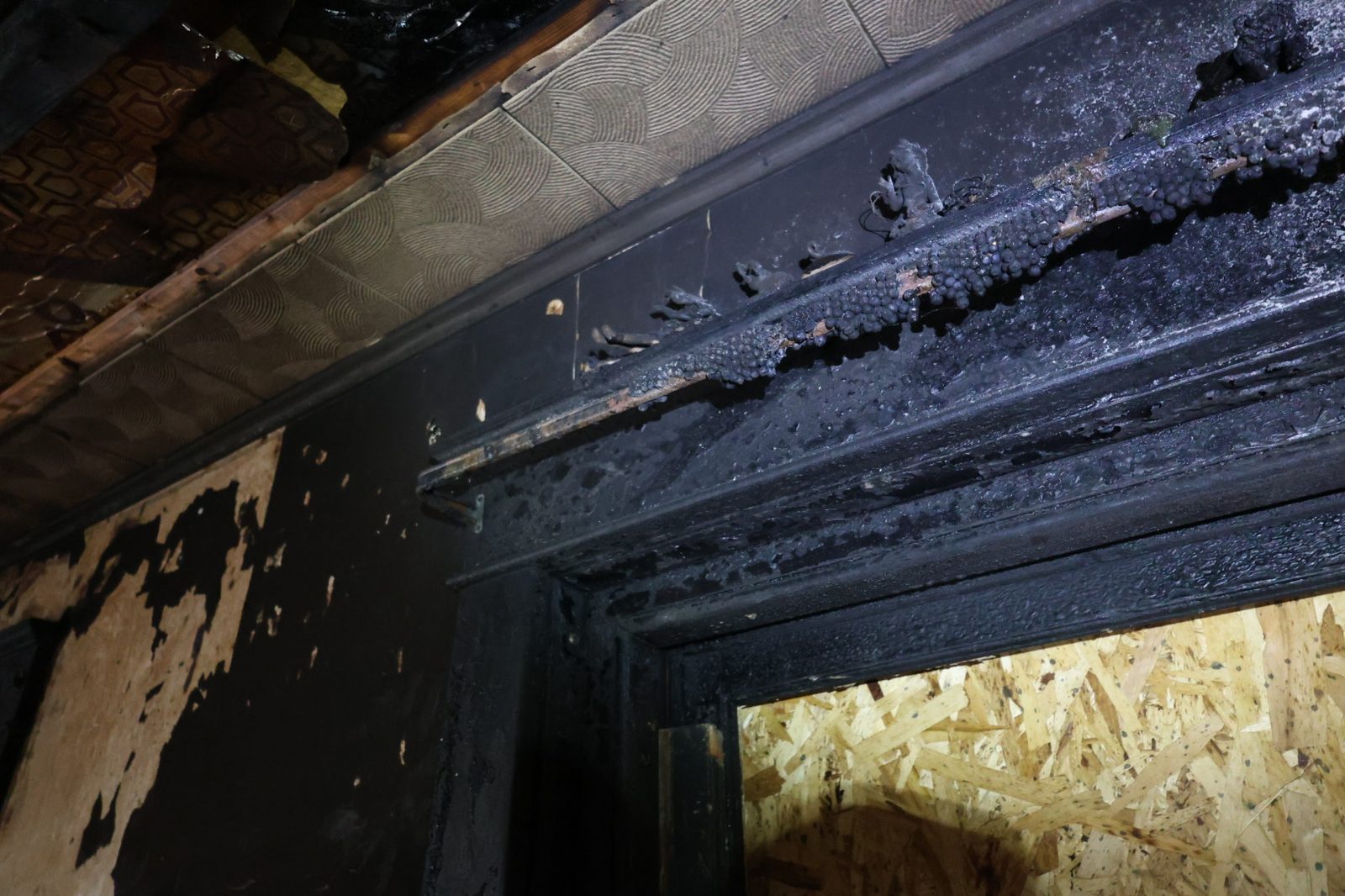
Step 5: Damage Assessment and Documentation
Before cleanup starts, a restoration contractor walks the entire house, not just the room that burned, and documents fire, smoke, soot, and water damage: structural condition, residue type on each surface, air quality, HVAC contamination, moisture readings, and a room-by-room contents inventory. That documentation is written into an Xactimate estimate, the same software your adjuster uses, so the two scopes can be compared line by line.
Smoke migrates through an entire house, including rooms that never saw flame. Proving that the residue in a back bedroom came from this fire is straightforward if it is photographed and tested before anyone cleans, and nearly impossible afterward. Your contractor should also be present when the adjuster inspects, so questions about scope get settled on site rather than in weeks of emails. Our guide to what adjusters do not volunteer is written for roof claims, but the points about documentation and depreciation apply to fire losses just as much.
Step 6: Water Mitigation from the Fire Hoses
Most fire losses are also water losses. The volume of water used to put out a fire soaks drywall, insulation, subfloor, and framing, and it drains to the floors below. Left alone, that moisture starts growing mold within a day or two, which is a separate and avoidable problem on top of the fire. Extraction and structural drying equipment should be running within the first 24 to 48 hours, with moisture readings logged until the structure is dry. Our posts on the first 24 hours after water damage and mold after water damage cover this part of the process in detail.
Step 7: Contents. Pack-Out, Inventory, and the Part Carriers Dispute
Your building and your belongings are settled under two different parts of your policy, and the contents side is where fire claims most often go wrong. Every item is inventoried, photographed, and marked cleanable, restorable, or a total loss. Restorable items are packed out to be cleaned and deodorized off site while the structure is worked on, then returned when the house is ready.
Two things are worth knowing before you agree to a contents figure. First, contents are usually paid at actual cash value up front, with the recoverable depreciation released only after you replace the items and submit receipts. Many homeowners never claim that second payment because nobody explained it. Second, the inventory is what your settlement is built from, so an incomplete or vague inventory means an undervalued claim. Do the inventory carefully, keep every receipt for replaced items, and ask your adjuster in writing how to submit for recoverable depreciation.
Step 8: Smoke and Soot Removal, Then Odor
Cleaning happens in a specific order. Unsalvageable porous material (charred framing, saturated insulation, smoke-loaded carpet padding) is removed first. Every remaining surface is HEPA-vacuumed and cleaned with the method that matches its residue type and material, from walls and ceilings to structural framing and the inside of cabinets. The HVAC system and ductwork are cleaned so the ducts stop re-seeding soot and odor through the house.
Odor is handled last, and it is the reason fire claims get reopened. Smoke molecules embed in drywall, framing, insulation, and carpet backing, and anything that only masks them fails as soon as the humidity rises. Proper odor removal treats the air and porous surfaces with thermal fogging, hydroxyl generators, or ozone, then seals structural surfaces where residue penetrated the material before new finishes go on. Odor that returns weeks later almost always means something was sealed or painted before it was actually clean.
Step 9: Reconstruction
With the structure clean, dry, and odor-free, the rebuild starts: framing repairs, roofing and siding, electrical and plumbing (with the permits and municipal inspections your township or the City of Reading requires), insulation, drywall, flooring, paint, trim, and cabinetry. Reading’s older row homes and twins add a few wrinkles: plaster-and-lath walls hold odor and may need to come out even where they look sound, and shared party walls mean smoke frequently migrates into the neighboring home, which is a separate claim on their policy.
The cleanest outcome is one licensed general contractor handling mitigation and reconstruction under one scope, rather than a cleanup company handing off to a builder who has to re-learn the file. When the work is complete, you submit for the recoverable depreciation on the structure the same way you do for contents, and the contents that were packed out come home.
A Realistic Fire Restoration Timeline
Every fire is different, but the sequence is not. Here is roughly when each phase happens on a typical Berks County residential fire, and what you should be doing during it.
| When | What Happens | What You Should Do |
|---|---|---|
| First 24 hours | Fire department releases the property; board-up and tarping; water extraction begins | Get the fire report number, open the claim, photograph everything, arrange lodging |
| Days 1–3 | Full assessment and documentation; drying equipment set; Xactimate estimate written | Keep every receipt; start your own contents list; do not clean or discard anything |
| Week 1–2 | Adjuster inspection; contents inventory and pack-out; removal of unsalvageable material | Have your contractor at the inspection; review the inventory before signing it |
| Weeks 2–6 | Soot and smoke cleaning, HVAC cleaning, odor treatment, sealing; drying completed | Compare the carrier’s scope to the contractor’s line by line; ask about anything cut |
| Weeks 4–12+ | Reconstruction: framing, roofing, electrical, drywall, flooring, paint, trim | Track loss-of-use expenses; choose finishes early so materials are not the delay |
| Completion | Final walkthrough; contents returned; recoverable depreciation submitted | Submit receipts for replaced contents and the completed structure to collect depreciation |
Who Pays for What
A standard homeowner policy splits a fire loss into dwelling coverage (the structure), other structures (a detached garage or shed), personal property (contents), and loss of use (your living expenses while displaced). Your deductible applies once to the whole claim, not to each part. Emergency board-up, water extraction, contents cleaning, and reconstruction are all normally covered, but each has to be documented and included in the scope to be paid, which is why steps four and five matter so much.
How The Helping Co. Handles Fire Losses
The Helping Company, LLC is an IICRC Certified Firm, and owner Travis Frees holds the IICRC Master Fire and Smoke Restorer designation, with 20+ years of construction and insurance restoration experience across Berks County. We handle every phase described above, from 24/7 emergency board-up through structural cleaning, odor removal, contents, and complete reconstruction, and we write the scope in Xactimate so you see the full itemized estimate, including what depreciation is recoverable. See our fire and smoke damage restoration page for the full process, or our certifications page for what the IICRC designations mean.
House Fire Restoration FAQs
Can I stay in my house after a fire?
Usually not right away, even after a small fire. Smoke residue and the gases it releases are unsafe to breathe, utilities are often shut off, and the structure has not been evaluated. Most homeowner policies include loss-of-use (additional living expense) coverage that pays for a hotel or rental while the home is unlivable, so ask your carrier about it the first time you call.
Can I clean up smoke and soot damage myself?
Beyond picking up obvious debris, no. Soot is acidic and most residue types smear or set permanently when wiped with household cleaners, turning a wall that could have been cleaned into a full repaint at your expense. Leave surfaces alone until they have been photographed, assessed for residue type, and included in the insurance scope.
What should I not throw away after a house fire?
Nothing, until it has been inventoried and photographed. Your contents settlement is built from that inventory, and items discarded before the adjuster or your contractor documents them are very hard to get paid for. Also do not use appliances or electronics that were exposed to heat, smoke, or water, and do not eat food or take medicine that was in the house during the fire.
How long does fire damage restoration take?
A contained kitchen or single-room fire that needs cleaning, deodorization, and contents handling commonly takes a few weeks. A loss involving structural framing, rewiring, and full reconstruction runs several months. Your contractor should give you a written schedule alongside the estimate, and the biggest delays are usually waiting on the insurance scope, not the work itself.
Will insurance pay for board-up and emergency tarping?
In nearly every case, yes. Your policy requires you to take reasonable steps to protect the property from further damage, and the cost of doing so (board-up, roof tarping, water extraction) is part of the claim. Photograph everything before the openings are covered and keep the invoices.
Do I need the fire report for my insurance claim?
Yes. Ask the fire department for the incident report number before they leave, and request a copy of the report once it is written. Your adjuster will want it, and it establishes the cause and date of loss that the whole claim is built on.
Had a Fire in Reading or Berks County?
Call or text now for 24/7 emergency board-up and a same-day assessment from an IICRC Master Fire & Smoke Restorer. We document the loss before anything is cleaned and handle the claim from first call to final walkthrough.